AC Not Cooling? 10 Common Reasons Your Air Conditioner Isn’t Working
When the temperature rises, a properly working air conditioner becomes essential for maintaining a comfortable indoor environment. But many homeowners experience a frustrating problem: the AC not cooling properly even when it seems to be running normally. Warm air blowing from the vents, weak airflow, or uneven cooling can make your home uncomfortable very quickly.
The good news is that many air conditioning issues have common causes. Some can be fixed with simple troubleshooting, while others require professional AC repair services. In this guide, we’ll explore 10 common reasons your air conditioner isn’t cooling and what you can do about it.
1. Dirty or Clogged Air Filter
One of the most common reasons an AC is not cooling effectively is a dirty air filter. Air filters trap dust, pollen, and debris to keep the air inside your home clean. However, when the filter becomes clogged, it restricts airflow.
Signs of a Dirty Filter
- Weak airflow from vents
- AC running longer than usual
- Rooms not cooling evenly
- Higher energy bills
Solution
Check your air filter every 30–60 days, especially during peak cooling seasons. Replacing a clogged filter is an inexpensive and simple way to improve your AC’s performance.
2. Incorrect Thermostat Settings
Sometimes the issue isn’t with the air conditioner itself but with the thermostat settings. If the thermostat is set incorrectly, your AC may not cool the home as expected.
Common Thermostat Problems
- Thermostat set to “fan” instead of “cool”
- Temperature set too high
- Dead thermostat batteries
- Thermostat placed near heat sources
Solution
Ensure your thermostat is set to cooling mode and the temperature is set lower than the current indoor temperature. Replacing batteries or upgrading to a programmable thermostat can also help improve efficiency.
3. Refrigerant Leak
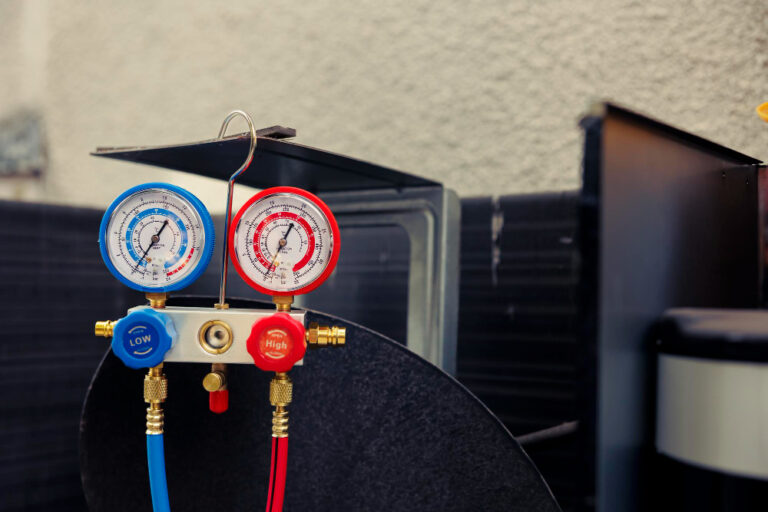
Refrigerant is the substance that absorbs heat from indoor air and cools it before circulating it back into your home. If your AC system has a refrigerant leak, it won’t be able to cool effectively.
Signs of Low Refrigerant
- AC blowing warm air
- Ice forming on the refrigerant line
- Hissing or bubbling noises
- AC running constantly without cooling
Solution
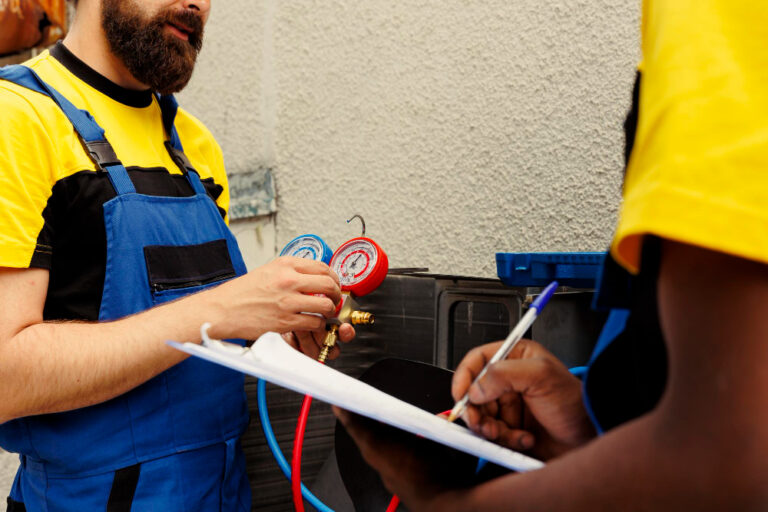
Refrigerant problems require professional repair. A licensed HVAC technician will locate the leak, repair it, and recharge the refrigerant to the correct level.
4. Dirty Condenser Coils
The outdoor condenser unit plays a critical role in releasing heat from your home. Over time, the condenser coils can become covered in dirt, leaves, and debris.
When the coils are dirty, they cannot release heat properly, causing the AC system to lose cooling efficiency.
Solution
Turn off the power and gently clean the outdoor unit by removing debris around it. Regular professional maintenance can also keep condenser coils clean and working efficiently.
5. Blocked or Closed Air Vents
Blocked air vents are another common reason an AC is not cooling certain rooms. Furniture, rugs, curtains, or dust buildup can restrict airflow from the vents.
Signs of Blocked Vents
- Some rooms colder than others
- Weak airflow in specific areas
- Uneven cooling throughout the house
Solution
Inspect all supply and return vents in your home. Make sure they are fully open and not blocked by furniture or other objects.
6. Frozen Evaporator Coil
The evaporator coil absorbs heat from the indoor air. However, if airflow is restricted or refrigerant levels are low, the coil can freeze.
When this happens, your air conditioner will struggle to cool your home.
Symptoms of a Frozen Coil
- Ice on the indoor unit
- AC running but not cooling
- Water leaking after ice melts
Solution
Turn off the AC system and allow the ice to melt. Replace dirty filters and check airflow. If the problem continues, professional inspection is necessary.
7. Electrical or Capacitor Problems
Air conditioning systems rely on several electrical components to function properly. A faulty capacitor, damaged wiring, or worn-out contactor can prevent the AC unit from cooling effectively.
Warning Signs
- AC unit not turning on
- Clicking sounds from the outdoor unit
- Intermittent cooling performance
Solution
Electrical issues should always be handled by a qualified HVAC technician to ensure safety and proper repair.
8. Leaky or Damaged Air Ducts
If your home uses ductwork to distribute cool air, leaks or damage in the ducts can cause significant cooling loss. In fact, some homes lose up to 30% of cooled air through duct leaks.
Signs of Duct Problems
- High energy bills
- Weak airflow
- Rooms that never cool properly
Solution
A professional duct inspection can identify leaks or insulation problems. Sealing and repairing ductwork can dramatically improve cooling efficiency.
9. Aging or Undersized AC System
An older air conditioner may struggle to keep up with cooling demands, especially during extremely hot weather. If your system is more than 10-15 years old, its efficiency may decline significantly.
Similarly, an improperly sized AC unit may not be able to cool the entire home.
Signs of an Aging AC
- Frequent breakdowns
- Rising energy costs
- Poor cooling performance
- Loud or unusual noises
Solution
If repairs are becoming frequent, replacing the unit with a modern energy-efficient system may be the most cost-effective option.
10. Lack of Regular Maintenance
Many air conditioning problems occur simply because the system hasn’t been properly maintained. Routine maintenance helps identify small issues before they turn into expensive repairs.
Benefits of Regular AC Maintenance
- Improved cooling performance
- Lower energy bills
- Longer system lifespan
- Reduced risk of breakdowns
Solution
Schedule professional AC maintenance at least once a year, ideally before the summer cooling season begins.
When to Call a Professional AC Repair Service
While some minor issues can be resolved with simple troubleshooting, others require professional attention. You should contact an HVAC technician if:
- Your AC continues not cooling after basic troubleshooting
- You suspect a refrigerant leak
- Ice repeatedly forms on the unit
- The system makes unusual noises
- Your energy bills suddenly increase
Professional technicians have the tools and expertise needed to diagnose and repair complex air conditioning problems safely.
Final Thoughts
Dealing with an AC not cooling properly can be frustrating, especially during hot weather. Fortunately, many cooling issues have simple explanations such as dirty filters, thermostat settings, or blocked vents. Regular maintenance and timely repairs can keep your air conditioning system running efficiently and prevent costly breakdowns.
If your air conditioner still isn’t cooling after trying basic troubleshooting steps, it may be time to call a professional AC repair technician. Prompt repairs can restore comfort to your home and ensure your system continues to operate reliably throughout the cooling season.